
Early Kindergarten: When Is the Right Time to Start?

Many parents exploring early kindergarten programs often ask the same question: When is the right time to start?
While some children thrive in a home-based environment longer, others show clear signs of readiness for structured learning much earlier. Understanding the right timing is critical, as early childhood is a period of rapid brain development that shapes future academic success.
At leading schools such as Pacific Academy Costa Mesa, early kindergarten is designed to balance academic readiness with emotional growth, helping children transition smoothly into a structured yet nurturing environment.
However, not every child is ready at the same age. Instead of focusing only on age, parents should evaluate early kindergarten readiness based on emotional, social, and cognitive development.
1. Early Kindergarten Age: What Is the Ideal Starting Point?
Most early kindergarten programs accept children ages 3 to 5, but the ideal starting point depends on developmental readiness rather than a fixed age.
Some children demonstrate independence and curiosity as early as age 3, while others may benefit from starting at age 4 or 5.
Schools like Pacific Academy Costa Mesa evaluate each child individually to ensure they are placed in an environment that supports both confidence and growth. Research in early childhood education shows that children who are introduced to structured learning at the right developmental stage tend to demonstrate stronger cognitive and social outcomes over time.
2. Early Kindergarten Readiness: Signs Your Child Is Ready
Assessing a child's readiness does not depend on whether they can already read fluently or solve complex math problems. Instead, it relies heavily on evaluating their natural curiosity and observing key developmental milestones.

2.1. Emotional Readiness and Social Emotional Learning
Learning to navigate complex feelings is a monumental step for any young child transitioning into a formal classroom setting. Assessing emotional readiness involves examining a child’s ability to regulate emotions, share resources, and engage in cooperative interactions with peers.
A dedicated Nurturing Environment is the essential foundation for young learners to practice empathy and build meaningful relationships. When children feel completely safe and unconditionally supported by caring educators, they are far more willing to step out of their comfort zones and try new activities.
Through integrated Social Emotional Learning, children build a strong emotional quotient from a very young age. This structured approach helps them understand complex social cues, manage inevitable frustrations gracefully, and develop the resilience required for long-term academic success.
2.2. Cognitive Milestones and Critical Thinking Skills in Early Education
A child's natural curiosity, such as constantly asking "why" and "how" about the world around them, is a major indicator of academic readiness. These persistent questions show that a child is mentally prepared to absorb new information and tackle complex concepts.
This inquisitive nature perfectly sets the stage for the development of advanced Critical Thinking Skills. Even at a very young age, students can hypothesize, test original ideas, and observe logical patterns when guided correctly by experienced teachers.
A high-quality early childhood education program channels this boundless curiosity into structured discovery. By encouraging analytical thinking early on, educators ensure that children are exceptionally well-prepared for the rigorous problem-solving tasks they will face in elementary school.
3. The Educational Approach of a High-Quality Early Kindergarten
Starting kindergarten at the right time not only prepares children academically, but also shapes how they approach learning, challenges, and social interactions for years to come by aligning instruction with their developmental stage. Parents searching for early kindergarten programs often look for a balance between structure and creativity, a combination that Pacific Academy Costa Mesa is known for.
3.1. The Power of Experiential Education and Hands-on Teaching
Young learners absorb information best when they can touch, feel, and physically manipulate objects in their immediate surroundings. Moving away from abstract concepts, modern education emphasizes sensory engagement to solidify learning and maintain focus.

Combining experiential education with hands-on teaching allows children to connect classroom concepts directly to the real world. Whether they are planting seeds in a school garden or mixing vibrant colors in an art studio, active participation is absolutely key to their success.
This dynamic method ensures that students continually experience a problem in a profound and highly natural way. Learning becomes a joyful, deeply memorable adventure rather than a tedious chore, fostering a lifelong passion for discovery.
3.2. Moving Beyond Tradition with Project-Based Learning
Transitioning away from traditional paper worksheets, Project-Based Learning provides a far more engaging experience for young minds. This collaborative approach encourages students to work together to solve tangible, real-world problems in a supportive setting.

Students might collaborate on exciting tasks, such as building simple architectural structures, designing a classroom community map, or analyzing the lifecycle of a butterfly. Working toward a shared goal helps students develop clear communication, respectful compromise, and effective teamwork.
This innovative method easily fulfills the requirements of an Academically Rigorous curriculum framework. It ensures that children meet all necessary developmental benchmarks without ever causing unnecessary stress or academic pressure.
4. The Long-Term Benefits of Starting Early Kindergarten
The essential skills cultivated during the preschool and Pre-K years establish a rock-solid foundation for the future. This early start deeply shapes a child's character and ensures lasting success in higher grade levels. These long-term benefits make early kindergarten an important step in a child’s educational journey.
4.1. Fostering Independence Through Leadership Training
Providing young children with small, manageable responsibilities fosters the development of independence. When students are trusted with daily tasks, they feel an immense sense of pride and belonging within their peer group.
Tasks such as managing art supplies, keeping time for activities, or leading the line during outdoor transitions serve as excellent early Leadership training. These carefully chosen roles teach accountability and the profound importance of contributing positively to a community.
These daily opportunities empower young students to find their voices and confidently express their ideas. By practicing leadership in a safe space, children develop the robust self-assurance needed to tackle future academic and social challenges.
4.2. A Commitment to Fostering Well-Rounded Student Growth
True developmental success extends far beyond simple academic test scores or early reading abilities. Exceptional education must thoroughly address the intellectual, physical, and emotional needs of every single learner.
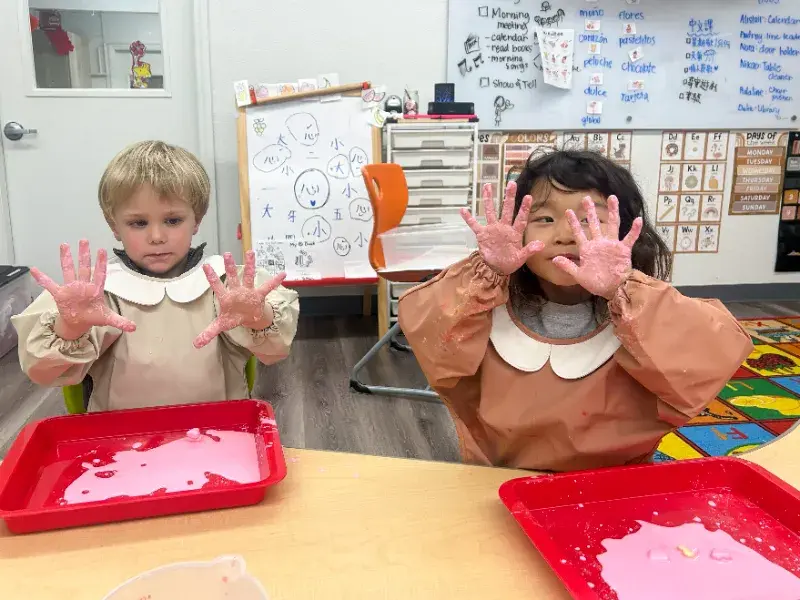
A high-quality program demonstrates an unwavering commitment to fostering well-rounded student growth. This inclusive philosophy ensures that children not only memorize facts but also develop a strong moral compass, physical coordination, and genuine empathy.
This comprehensive approach creates a perfect balance between intellectual agility and a compassionate heart. Graduates of such progressive programs emerge as confident, capable, and deeply empathetic individuals ready to embrace the world. These outcomes are consistently observed in structured environments like Pacific Academy Costa Mesa, where academic development is carefully balanced with emotional and social growth.
5. Multilingual Opportunities in an Early Kindergarten Environment
In a modern early kindergarten environment, multilingual exposure plays a critical role in cognitive development. The earliest years of life represent a golden window for the developing human brain to absorb new languages. This early exposure often leads to more natural pronunciation, stronger listening skills, and greater confidence in multilingual communication over time.
5.1. Trilingual Education: Chinese Immersion and Spanish Enrichment
One of the most valuable advantages of early kindergarten is exposure to multiple languages during a critical developmental window. At Pacific Academy Costa Mesa, this is achieved through a structured trilingual model.

A comprehensive Trilingual Education allows students to use different languages as active, real-world communication tools. This constant mental gymnastics drastically improves cognitive flexibility, memory retention, and overall focus.
Through a dedicated Chinese Immersion program and daily Spanish Enrichment, children build exceptional linguistic skills from the very beginning. This robust foundation perfectly prepares them to thrive in an increasingly interconnected global society.
5.2. Expanding Horizons with Cultural Exchange Programs
Effective language instruction must always go hand in hand with a deep appreciation for the rich cultures behind those languages. Understanding global traditions fosters profound empathy and international respect.

Top-tier schools expand student horizons tremendously through vibrant Cultural Exchange Programs. These engaging events bring textbook concepts to life, allowing children to taste new foods, hear traditional music, and celebrate international diversity firsthand.
By actively participating in beautiful celebrations, including Lunar New Year, Día de los Niños, and AAPI and World Cultural Day, children develop an inclusive global mindset. This cultural immersion ensures they grow into thoughtful, open-minded citizens. This immersive approach gives Pacific Academy Costa Mesa students a significant advantage in global communication and cognitive flexibility.
6. The Pacific Academy Costa Mesa Difference for Early Kindergarten
Choosing the right early kindergarten is not just about academics, it is about finding an environment that supports the whole child. This is where Pacific Academy Costa Mesa stands out. When families search for the perfect launching pad for a child's early years, Pacific Academy Costa Mesa consistently ranks among the top choices. Proudly ranked No. 2 among the Best K-12 Private Schools in Orange County, this premier institution offers an unparalleled educational ecosystem tailored for early success. For parents comparing different early kindergarten programs, the key difference often lies in how well a school balances academic structure with emotional support and real-world learning experiences.

6.1. Personalized Attention Through Small Class Sizes
Maintaining small class sizes is especially important in early kindergarten, where young learners require close guidance and emotional support. At Pacific Academy Costa Mesa, this approach ensures that every child is seen, heard, and supported throughout the day.
This level of individualized attention allows teachers to quickly identify each child’s learning style, strengths, and areas for growth. As a result, students gain confidence faster, engage more actively in classroom activities, and build a stronger academic foundation from the very beginning.
6.2. Enrichment Through Diverse Extracurricular Clubs
Beyond the standard academic schedule, a truly exceptional educational experience extends into comprehensive after-school programs. Pacific Academy Costa Mesa offers a wide array of engaging clubs that seamlessly connect the daily curriculum to additional hands-on opportunities.

Young learners can explore their unique passions and discover new talents through the Gardening Club, Language and Culture Club, Junior Chef program, or Creative Art classes. Students are encouraged to interact with their environment, whether by learning about farm-to-table cooking or by expressing their ideas through vibrant paintings.
These extracurricular activities are expertly guided by dedicated educators, offering a holistic approach that nurtures creativity, teamwork, and practical life skills beyond traditional classroom hours. This vibrant club culture ensures that learning remains a dynamic, continuous process long after the regular school day ends. At Pacific Academy Costa Mesa, Project-Based Learning is introduced early to encourage collaboration, creativity, and real-world problem solving.
These programs help bridge the gap between classroom learning and real-world application, reinforcing skills naturally and engagingly.
7. Early Kindergarten vs Traditional Kindergarten: What Is the Difference?
The difference between early kindergarten and traditional kindergarten goes beyond timing; it reflects two fundamentally different approaches to early childhood development. Developmental research suggests that children learn most effectively when instruction aligns with their cognitive and emotional readiness, rather than age alone.
Early kindergarten programs are designed for younger children who demonstrate developmental readiness earlier. These programs prioritize hands-on learning, social-emotional development, and guided exploration rather than formal academics. The goal is not to artificially accelerate learning, but to align with how young children naturally absorb information through play, interaction, and sensory experiences.
In contrast, traditional kindergarten typically begins at a later age and introduces more structured academic instruction, including early literacy, numeracy, and classroom routines. While this approach offers a strong academic foundation, it may not fully take advantage of the critical early window when children are most receptive to language acquisition, creativity, and flexible thinking.
High-quality schools such as Pacific Academy in Costa Mesa bridge this gap by combining the strengths of both models. Their early kindergarten approach integrates academic readiness with experiential learning, ensuring that children develop foundational skills without unnecessary pressure or loss of curiosity.
For parents, the key consideration is not simply whether to start early, but whether the program respects a child’s developmental stage while providing the right balance of structure, independence, and support.
8. Conclusion
Choosing the right early kindergarten program can shape a child’s long-term academic and personal development. When an educational setting perfectly balances academic rigor with compassionate, individualized care and diverse extracurricular opportunities, children are fully empowered to reach their highest potential.
Pacific Academy Costa Mesa proudly provides a highly personalized, dynamic, and multilingual educational environment that beautifully prepares a rock-solid foundation for a bright future.
Parents are warmly encouraged to schedule a campus tour to witness the genuine joy of learning in this vibrant community firsthand. For more information about the admissions process, curriculum details, or to speak directly with an educational counselor, please get in touch with Pacific Academy Costa Mesa via the hotline at 833-796-5688, email CostaMesa@PacificAcademy.org, or visit the beautiful campus at 2987 Mesa Verde Dr E, Costa Mesa, CA 92626. This is why selecting the right early kindergarten environment is one of the most important decisions for parents.


Comments