
What Age Do Kids Start Preschool in Orange County

Updated: Mar 9
Parents searching for preschools in Orange County often begin with one important question: What age should children start preschool? For many families, preschool is the first formal step in a child’s educational journey. It is a time when children begin developing early academic skills, social confidence, and positive learning habits that shape their future school experience.
In Orange County, preschool options vary widely, and the starting age depends on several factors, including a child's readiness, program structure, and family goals. As a school that serves students from Preschool through Grade 6, Pacific Academy Costa Mesa understands how important it is for families to receive clear, accurate information when planning early education. This guide is designed to help parents understand preschool-age expectations, what to look for in high-quality preschool programs, and how a thoughtful private preschool environment can support long-term success.
1. Understanding Preschool Age and Readiness in Orange County
Preschool is designed to support children during a critical stage of early development. These years are essential for building communication skills, emotional awareness, and early learning foundations.

1.1 Typical Preschool Starting Ages in Orange County
Most preschools in Orange County accept children ages 2.5 to 4. Some programs offer early preschool or toddler programs, while others focus on preparing children for kindergarten. Many families choose to enroll their child around age 3, when children are more comfortable with group activities and structured routines.
Other families wait until age 4, especially if their child benefits from additional time to develop independence or social confidence. The right age often depends on the child rather than a fixed rule.
1.2 Why Readiness Is More Important Than Age Alone
While age guidelines provide a helpful reference, readiness is a more meaningful indicator of when a child should start preschool. Readiness includes the ability to communicate needs, follow simple instructions, manage emotions, and interact with peers.
Strong preschool programs recognize that children develop at different paces. Rather than expecting immediate academic performance, quality programs support gradual growth through guidance, encouragement, and consistent routines.
1.3 Early Learning Goals in Preschool
Preschool introduces children to early literacy, foundational math concepts, and problem-solving through age-appropriate instruction. Just as importantly, children learn how to listen, share, collaborate, and participate in a classroom community.
A balanced preschool experience supports both academic readiness and social-emotional development, helping children build confidence as learners.
2. What Parents Look for in Preschools in Orange County
Once families understand preschool-age expectations, they begin evaluating what sets one program apart from another. Parents often look beyond schedules and location to understand educational quality.
2.1 Learning Environment and Teaching Approach
Parents researching preschools in Orange County often seek environments that feel safe, welcoming, and engaging. Preschool classrooms should offer structure while allowing room for exploration and creativity.
Many families value hands-on and Project-Based Learning approaches, even at the preschool level. These methods encourage children to explore ideas, ask questions, and learn through meaningful experiences rather than passive instruction.
2.2 Social Emotional Learning in Preschool Years
Social Emotional Learning is a core component of effective early education. During the preschool years, children develop self-awareness, emotional regulation, and communication skills.
Programs that intentionally integrate SEL help children build confidence, empathy, and positive peer relationships. These skills support smoother transitions into kindergarten and elementary school.
2.3 Class Size and Individual Attention
Class size is an important consideration for families seeking a private preschool. Smaller class sizes allow teachers to provide individualized attention and build strong relationships with young learners.
Personalized support is especially valuable during early childhood, when children are adjusting to school routines for the first time.
3. Private Preschool Programs and Long-Term Educational Planning
Orange County offers a wide range of preschool options, including public, community-based, and private programs. Understanding the differences can help families choose the right path.
3.1 Benefits of a Private Preschool Experience
A private preschool often provides smaller class sizes, a clearly defined educational philosophy, and consistent communication with families. These programs typically emphasize individualized learning and intentional curriculum design.
Parents who choose private settings often value the stability and structure these programs provide during early childhood.
3.2 Preschool as the First Step in a Longer Journey
For many families, preschool is part of a long-term educational plan. Schools that offer preschool through elementary grades provide continuity in teaching approach, expectations, and school culture.
This continuity helps children feel secure and supported as they progress through early academic milestones.
3.3 Evaluating the Right Preschool Fit
Choosing among preschools in Orange County involves balancing developmental needs, family values, and educational goals. Visiting campuses, observing classrooms, and speaking with educators often provide helpful insight.
Parents benefit from seeing how children interact with teachers and peers, as well as how learning is structured throughout the day.
4. Language Exposure and Early Childhood Education
Language development is a growing priority for many families exploring preschool options. Early exposure to language supports communication skills and cognitive development during a critical period.
4.1 Benefits of Early Language Learning
Young children are especially receptive to learning new languages during the preschool years, when brain development is highly adaptable. Early language exposure supports listening skills, memory, and cognitive flexibility, helping children process information and adjust to new learning situations more easily.
Early language learning also strengthens literacy development by supporting vocabulary growth and sound recognition. These skills contribute to academic readiness and increased confidence in communication as children move into elementary school.
4.2 Multilingual Learning in Preschool Programs
Some preschool programs integrate multilingual learning into daily instruction as part of a well-rounded educational approach. Exposure to additional languages helps children develop cultural awareness and an understanding of different perspectives.
Families seeking enrichment beyond traditional instruction often view multilingual education as a valuable part of early learning that supports curiosity, social development, and global awareness.
4.3 Language Learning as Part of Daily Experience
Effective language programs integrate learning into daily routines through songs, stories, conversation, and classroom activities. This approach allows children to engage with new languages in familiar, supportive settings.

By incorporating language learning into everyday experiences, preschool programs help children build language skills naturally while maintaining a positive and engaging learning environment.
5. A Preschool Program Designed for Growth: Pacific Academy Costa Mesa
As families compare preschool options, many seek programs that combine academic foundations, emotional development, and long-term educational continuity. Pacific Academy Costa Mesa (PACM) is designed to support children during these formative years and beyond.
5.1 Preschool at Pacific Academy Costa Mesa
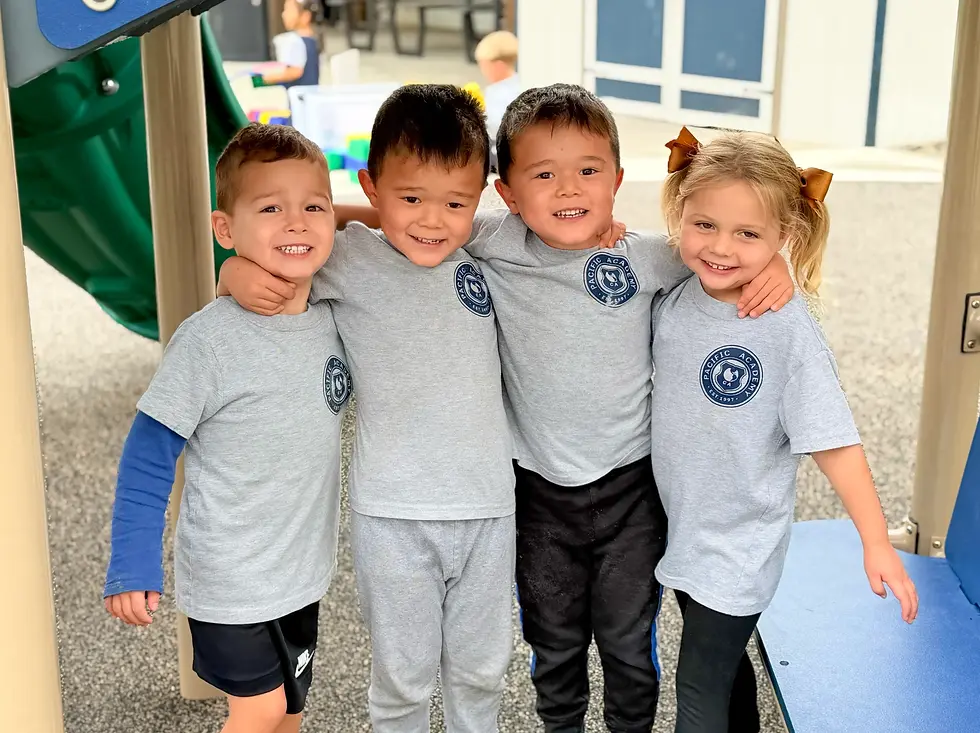
Pacific Academy Costa Mesa serves students from Preschool through Grade 6, offering a structured yet nurturing preschool program that supports early development. Preschool students are introduced to consistent routines while engaging in age-appropriate exploration, creativity, and discovery.
The preschool curriculum emphasizes early literacy, foundational math, and communication skills within a supportive learning environment.
5.2 Project-Based Learning and Hands-On Instruction
PACM integrates Project-Based Learning and hands-on instruction beginning in preschool. Children explore concepts through guided activities, collaborative projects, and meaningful classroom experiences.
This approach encourages curiosity, problem-solving, and active engagement, helping children build strong learning habits from an early age.
5.3 Social Emotional Learning and Leadership Foundations
Social Emotional Learning is intentionally woven into daily preschool experiences at PACM. Children learn to communicate effectively, collaborate with peers, and manage emotions positively.
These early SEL foundations support confidence, independence, and readiness for future academic challenges.
5.4 Trilingual Education and Cultural Awareness
One of PACM’s defining features is its Trilingual Education Program, which includes English, Mandarin through a Chinese Immersion Program, and daily Spanish Enrichment. Preschool students are introduced to multiple languages in a developmentally appropriate and supportive manner.
Language exposure is integrated into daily routines, supporting both communication skills and cultural awareness from an early age.

6. Visiting Preschools and Making an Informed Decision
Research provides valuable information, but firsthand experience often plays a key role in helping families make confident decisions about preschool. Visiting a preschool allows parents to observe classroom instruction, teacher-student interactions, and student engagement throughout the day. These observations offer insight into how learning is structured, how teachers support children’s development, and how students interact in the classroom.
Conversations with admissions teams further support the decision-making process by providing clarity on program structure, daily routines, and educational philosophy. Families can better understand how schools support both students and parents and how individual development is considered when determining preschool readiness. Families interested in learning more about Pacific Academy Costa Mesa are encouraged to connect with the Admissions Team to ask questions or schedule a campus visit. By evaluating the learning environment, teaching approach, and long-term fit, parents can make informed decisions that support their child’s early education.
7. Conclusion
Understanding what age children typically start preschool is an important first step for families exploring preschools in Orange County. While many children begin between the ages of 3 and 4, readiness, the learning environment, and program quality also play an equally important role.
Strong preschool programs support early learning through hands-on experiences, Social-Emotional Learning, language exposure, and individualized attention. For families seeking a private preschool that emphasizes academic foundations, emotional development, and long-term educational continuity, Pacific Academy Costa Mesa offers a thoughtful and comprehensive early education experience.
To learn more or schedule a visit, contact Pacific Academy Costa Mesa at CostaMesa@PacificAcademy.org or visit the campus at 2987 Mesa Verde Dr E, Costa Mesa, CA 92626.


Comments