
Best Private Elementary Schools: The Value of Small Class Sizes

Choosing the right elementary school is one of the most meaningful decisions families make during their child’s early academic years. Among the many factors parents consider, class size consistently emerges as a defining characteristic of the best private elementary schools. Small class sizes create an environment where students are known, supported, and challenged in ways that foster both academic achievement and personal growth. Understanding why this matters can help families make informed decisions about private elementary education. In Orange County, some private elementary schools, such as Pacific Academy Costa Mesa, intentionally maintain small class sizes to create learning environments where students receive individualized attention and meaningful academic support from an early age.
1. Why Small Class Sizes Matter in the Best Private Elementary Schools
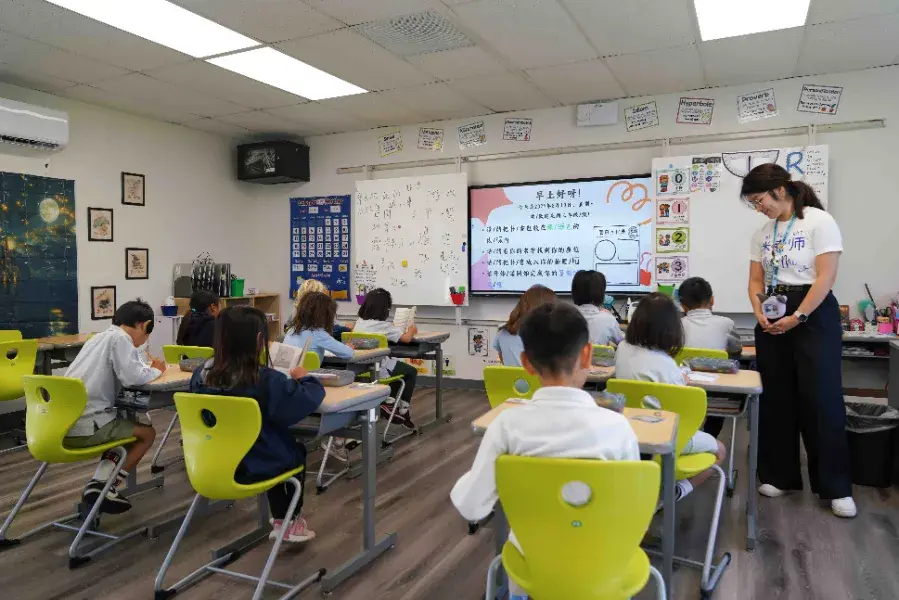
When families explore the best private elementary schools, they often notice a shared emphasis on small, purposefully structured class sizes. This feature is not incidental. It reflects a philosophy that values meaningful relationships, individualized learning, and long-term student success. This philosophy is reflected in private elementary schools like Pacific Academy Costa Mesa, where small class sizes are intentionally designed to support strong teacher-student relationships and responsive instruction tailored to each child’s academic and developmental needs.
In a private elementary setting, smaller classes allow teachers to go beyond standardized instruction. Rather than standardizing instruction around the average student, educators can respond to individual learning styles, academic readiness, and social development. Over time, this approach builds confidence, curiosity, and resilience in young learners.
Small class sizes also help create a calm and focused classroom atmosphere. Students have more opportunities to participate in discussions, ask questions, and collaborate with peers. These daily interactions shape how children experience learning and how they see themselves as capable students.
2. The Connection Between Small Class Sizes and Academic Excellence
2.1 Individualized Instruction in Private Elementary Education
One of the most important advantages of small class sizes in private elementary schools is the opportunity for instruction. Teachers can closely observe each student’s progress, identify strengths, and address challenges early. At private elementary schools such as Pacific Academy Costa Mesa, small class sizes enable hands-on instruction and project-based learning, allowing teachers to adjust lessons to student readiness and learning styles.
In the best private elementary schools, instruction is often enriched through hands-on activities and project-based learning. With fewer students, teachers can guide projects more effectively, provide timely feedback, and adapt lessons to meet diverse needs. This approach supports deeper understanding rather than surface-level memorization.
Subjects such as mathematics and literacy particularly benefit from this structure. Students receive targeted support, whether they need reinforcement or enrichment, helping them build strong academic foundations.
2.2 Stronger Teacher-Student Relationships
Academic success in a private elementary environment is closely linked to the quality of teacher student relationships. Small class sizes allow teachers to know their students well, not only academically but also socially and emotionally.
These relationships encourage students to take intellectual risks and engage more actively in learning. When children feel seen and supported, they are more willing to ask questions and explore new ideas. Over time, this trust contributes to higher engagement and stronger academic outcomes.

3. social-emotional Growth in Small Class Settings
3.1 Creating a Nurturing Learning Environment
Beyond academics, the best private elementary schools recognize that social-emotional development is essential to long-term success. In private elementary classrooms with small class sizes, educators can move beyond one-size-fits-all instruction and adapt to individual learning styles, academic readiness levels, and social development needs.
Teachers can model positive communication, guide conflict resolution, and support emotional regulation more effectively in smaller groups. These daily interactions help children develop empathy, self-awareness, and confidence. In schools like Pacific Academy Costa Mesa, this nurturing environment is supported through an emphasis on social-emotional learning and leadership development, helping students build confidence, emotional intelligence, and positive peer relationships within small classroom settings.
In a private elementary setting, social-emotional learning is often integrated into the curriculum rather than treated as a separate subject. Students learn to collaborate, lead, and reflect as part of their everyday classroom experience.
3.2 Leadership Development and Confidence Building
Small class sizes also provide more leadership opportunities. Students are encouraged to take on responsibilities, share ideas, and contribute meaningfully to class activities.
In the best private elementary schools, leadership development begins early. Children learn to speak confidently, listen respectfully, and work collaboratively. These skills are essential not only for academic success but also for lifelong personal growth.
4. Cultural Awareness and Language Learning in Private Elementary Schools
4.1 Language Exposure in Small Group Learning
Many families seeking the best private elementary schools are drawn to programs that emphasize global awareness and multilingual education. Small class sizes are especially valuable in language learning environments.
In a private elementary school with immersion or language enrichment programs, students benefit from frequent interaction and personalized guidance. Teachers can monitor language development closely and encourage meaningful communication throughout the day.
This approach helps students build confidence and fluency naturally. Every interaction, whether answering a math question or participating in a group project, becomes an opportunity to use language purposefully.
4.2 Building Global Perspective Through Cultural Exchange
Small class settings also support cultural learning and exchange. Students can explore traditions, perspectives, and global topics through guided discussions and collaborative projects.
The best private elementary schools often celebrate cultural learning through thoughtfully designed experiences, such as Día de los Niños, and AAPI and World Cultural Day. These events encourage respect for diversity and help students develop a broader understanding of the world around them.

5. Why Families Choose the Best Private Elementary Schools for Small Class Sizes
5.1 Personalized Attention for Every Child
One of the most common reasons families choose a private elementary school is the promise of personalized attention. In small classes, teachers can adapt instruction to match each child’s pace and interests.
This level of attention helps students feel confident and motivated. When children experience success early, they are more likely to develop a positive relationship with learning that lasts throughout their academic journey.
The best private elementary schools prioritize this personalized approach, understanding that no two learners are the same.
5.2 Balanced Academic Rigor and Support
Small class sizes also allow schools to maintain high academic standards while providing appropriate support. Teachers can challenge students academically while ensuring they are not overwhelmed.
This balance is particularly important in a private elementary environment, where families often seek both rigor and care. Students are encouraged to think critically, solve problems, and explore ideas in depth, all within a supportive setting.
6. Best Private Elementary Schools and the Role of Experiential Learning
6.1 Hands-On and Project-Based Learning
Experiential education is a hallmark of many of the best private elementary schools. Small class sizes enable effective, hands-on, project-based learning.
Students can engage in collaborative projects, experiments, and real-world applications of academic concepts. Teachers can guide each group closely, ensuring that learning objectives are met while encouraging creativity and curiosity.
In a private elementary setting, this approach helps students develop critical thinking skills and deepen their understanding of the subject matter.
6.2 Learning Through Play in Early Grades
For younger students, learning through play is an important part of development. Small class sizes allow teachers to design engaging activities that balance curriculum goals with age-appropriate exploration.
This approach supports cognitive, social, and emotional growth. Students learn cooperation, problem-solving, and communication in ways that feel natural and meaningful.
7. A Closer Look at Pacific Academy Costa Mesa
Families researching the best private elementary schools may find Pacific Academy Costa Mesa to be a strong example of how small class sizes enhance educational quality.
Pacific Academy Costa Mesa serves students from PreK-6 and is recognized for its commitment to personalized learning, multilingual education, and comprehensive student development. The school delivers a trilingual learning experience through its established Chinese Immersion Program and daily Spanish instruction, helping students build strong multilingual foundations.
Small class sizes at PACM allow teachers to deliver hands-on instruction, implement project-based learning, and support each student’s academic and social-emotional growth. Programs such as Singapore Math and experiential education are thoughtfully designed to challenge students while maintaining a nurturing environment.
In addition, Pacific Academy Costa Mesa emphasizes leadership training and social-emotional learning, helping students build confidence and strong interpersonal skills from an early age. For families seeking a private elementary school that values both academic rigor and whole child development, PACM offers a compelling model.
Families interested in learning more may explore the school’s programs through the official website or schedule a campus tour to experience the learning environment firsthand.

8. How Small Class Sizes Prepare Students for Long-Term Success
8.1 Building Strong Academic Foundations
The benefits of small class sizes extend well beyond the elementary years. Students who attend the best private elementary schools often develop strong foundational skills that support future academic success.
Through individualized instruction and close teacher support, students gain confidence in reading, writing, mathematics, and problem solving. These skills prepare them for more advanced coursework and independent learning.
8.2 Developing Lifelong Learning Skills
Small class environments also help students develop essential lifelong skills. Critical thinking, collaboration, communication, and adaptability are nurtured through daily classroom experiences.
In a private elementary setting, students are encouraged to reflect on their learning, set goals, and take ownership of their progress. These habits support success not only in school but also in future academic and professional pursuits.
9. Choosing the Right Private Elementary School for Your Family
Selecting among the best private elementary schools requires thoughtful consideration of your child’s needs, values, and learning style. While curriculum and facilities matter, class size plays a central role in shaping the educational experience.
Families may wish to consider how small class sizes support personalized attention, meaningful relationships, and a balanced approach to academic and social development. Visiting campuses, speaking with educators, and observing classrooms can provide valuable insights.
Selecting an appropriate private elementary school can establish the academic and social foundations of a confident, engaged, and motivated learner.
10. Conclusion
Families exploring the best private elementary schools and seeking a personalized learning environment with small class sizes may wish to learn more about Pacific Academy Costa Mesa. Additional information about academic programs, admissions, and campus life is available on the school’s official website, where families can also submit inquiries through the Contact Us page. Those interested in seeing the learning environment firsthand are welcome to schedule a campus tour or attend upcoming open house events. For direct questions, families may contact the school by phone at 833-796-5688, by email at CostaMesa@PacificAcademy.org, or connect via WeChat at pacificacademypk12. The campus is located at 2987 Mesa Verde Dr E, Costa Mesa, CA 92626.


Comments