
Kindergarten Around Me: Daily Routines and Learning

Updated: Mar 8
A kindergarten day often feels simple from the outside, yet every moment is carefully designed to support how young children learn. From the first greeting in the morning to the final transition at dismissal, routines shape how children feel, focus, and participate. For parents searching for kindergarten near me in Costa Mesa or Orange County, understanding what a typical day looks like can provide valuable insight into a program's quality and whether it truly supports long-term development.
As families explore options, especially in a private kindergarten setting, the question is not only what children learn but also how learning is built into daily experiences. Schools such as Pacific Academy Costa Mesa offer a helpful example of how structured routines and thoughtful teaching can work together to support both academic growth and emotional development.

1. What a Kindergarten Day Really Feels Like
1.1 The rhythm parents notice during a visit
When visiting classrooms, many parents quickly notice the rhythm of the day. Children move between activities with a sense of purpose, transitioning from group instruction to independent work and then to collaborative play. The pace feels steady rather than rushed, and students appear engaged rather than overwhelmed.
This rhythm is an important indicator of quality. In strong private kindergarten environments, transitions are smooth, and expectations are clear. Children understand what comes next, which helps them stay focused and confident throughout the day.
1.2 Why routines shape the learning experience
Daily routines do more than organize time. They create a sense of predictability, helping children feel secure. When children know what to expect, they are more willing to participate, take risks, and engage in learning.
Classrooms like those at Pacific Academy Costa Mesa, reflect this balance well. Structured yet flexible routines allow children to stay engaged while still having space to explore and interact. For families searching for kindergarten around me, this balance often becomes a key factor in evaluating different programs.
2. How Daily Routines Support Early Learning
2.1 Learning is built into everyday moments
In kindergarten, learning is not limited to formal lessons. It is thoughtfully woven throughout the entire day. Reading during circle time, counting during transitions, and conversations during play all contribute to naturally and engagingly building foundational skills.
This integrated approach allows children to practice literacy, math, and communication in meaningful, real-life contexts rather than in isolation. As a result, learning feels connected and purposeful. Families exploring kindergarten around me often appreciate how this kind of environment makes learning feel natural, engaging, and developmentally appropriate rather than forced or overly structured.

2.2 Why consistency matters for young learners
Consistency plays a critical role in helping children build confidence and stability in their learning environment. Repeated routines help children understand expectations, develop focus, and gain independence over time. When daily experiences follow a predictable pattern, children feel more secure and are better able to engage fully in activities.
This consistency also supports retention, as children are able to revisit and reinforce concepts regularly. Schools such as Pacific Academy Costa Mesa demonstrate how consistent routines can support both academic growth and emotional confidence. This level of clarity and structure is often what families look for when choosing a private kindergarten that supports long-term development and a smooth transition into future learning stages.
2.3 How a Private Kindergarten Setting Makes a Difference
In a private kindergarten environment, smaller class sizes and more individualized attention often allow teachers to adjust routines and instruction to each child’s development. Families searching for kindergarten around me frequently prioritize this level of personalization, especially during early learning years when confidence and foundational skills are still forming. A strong private kindergarten balances structure with flexibility while maintaining consistent expectations that support both academic and emotional growth.
3. The Balance Between Structure and Flexibility
3.1 Why too much structure or too little can be limiting
One of the most important aspects of kindergarten is finding the right balance between structure and flexibility. Too much structure can create unnecessary pressure and limit creativity, while too little structure can leave children unsure of expectations and routines. A well-balanced environment allows children to feel supported while still having the freedom to explore and express themselves.
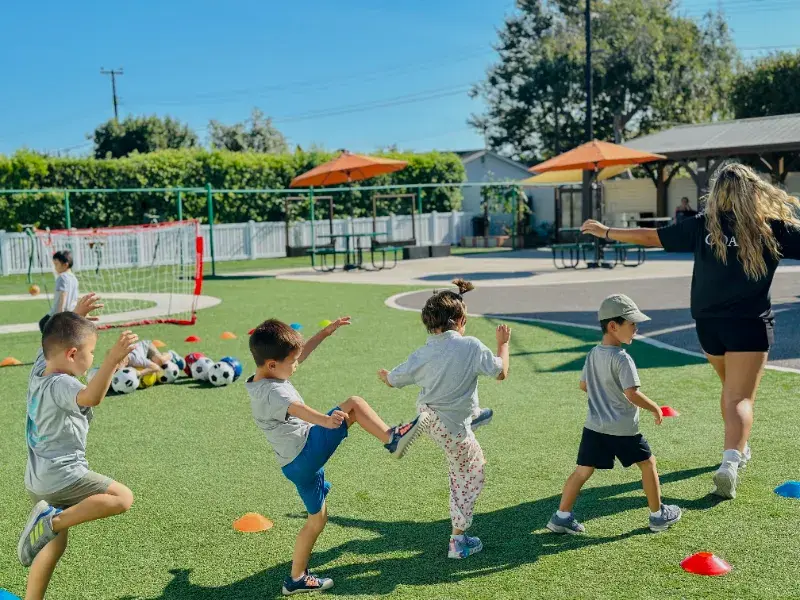
Parents searching for kindergarten around me often look for programs where this balance is thoughtfully designed. Children benefit from clear guidance and predictable routines, but they also need opportunities to ask questions, explore ideas, and interact meaningfully with their peers. This combination supports both confidence and curiosity in the early years of learning.
3.2 What balanced classrooms look like in practice
Balanced classrooms combine guided instruction with opportunities for exploration in a purposeful way. Teachers introduce concepts clearly, then create space for children to apply what they have learned through hands-on activities, discussion, and collaboration. This approach keeps learning engaging while maintaining consistency and direction.
One notable strength of Pacific Academy Costa Mesa is its ability to maintain this balance effectively. Structured learning is thoughtfully paired with opportunities for exploration, keeping children engaged while building strong academic foundations. This approach is especially valuable in a private kindergarten setting, where both developmental growth and school readiness are key priorities.
4. The Role of Teachers in Daily Kindergarten Routines
4.1 How teachers guide, not just instruct
Teachers play a central role in shaping the kindergarten experience. Beyond delivering lessons, they guide behavior, support transitions, and encourage active participation throughout the day. Their presence helps create a classroom environment where children feel comfortable, supported, and ready to engage.
In high-quality programs, teachers observe and respond to individual needs in real time. They ask thoughtful questions, provide encouragement, and help children think more deeply about their experiences. This type of guidance ensures that learning remains both structured and responsive, keeping children engaged while building confidence in their abilities.
4.2 Why teacher interaction shapes student experience
The way teachers interact with students has a lasting impact on how children perceive learning. Supportive and attentive educators create an environment where children feel understood, valued, and motivated to participate. These daily interactions help build trust, which is essential for both academic growth and emotional development.
This becomes clear in how Pacific Academy Costa Mesa emphasizes personalized instruction within daily routines. Teachers adjust their approach based on each student’s development, providing the right balance of guidance and independence. Families exploring kindergarten around me often recognize how this level of teacher engagement supports not only skill development but also confidence, curiosity, and a positive attitude toward learning.

5. Social and Emotional Learning Throughout the Day
5.1 How kindergarten around me routines support social development
Kindergarten is not only about academic learning. It is also a critical stage for developing social skills that support long-term growth. Daily routines create natural opportunities for children to practice sharing, teamwork, and communication in a consistent and supportive environment.
Through group activities, guided interactions, and everyday classroom moments, children learn how to work with others, express their ideas clearly, and navigate simple conflicts. These experiences help build the foundation for positive relationships and a strong sense of community within the classroom. Over time, children become more confident in social situations and more aware of how their actions affect others.
5.2 Building confidence through daily experiences
Emotional development is closely connected to daily classroom experiences. When children feel safe, supported, and understood, they are more willing to participate, take initiative, and try new things. This sense of security encourages them to engage more fully in both academic and social activities.
This approach is reflected in how Pacific Academy Costa Mesa integrates Social Emotional Learning into everyday routines. Students are supported as both learners and individuals, with teachers guiding them through challenges and encouraging independence. As a result, children build confidence, resilience, and a strong sense of belonging within a private kindergarten environment.
6. What Makes Pacific Academy Costa Mesa Stand Out?
For families searching for kindergarten around me in Costa Mesa, Pacific Academy Costa Mesa offers a thoughtfully structured environment where daily routines support academic growth, social development, and trilingual exposure.
The program integrates literacy, foundational math, and social-emotional learning into a consistent daily rhythm while maintaining smaller class sizes that allow teachers to provide individualised attention.
As a private kindergarten, Pacific Academy Costa Mesa emphasises both structure and exploration, ensuring that students build confidence while developing strong school-readiness skills that prepare them for elementary education.
7. How to Choose the Right Kindergarten Around Me
7.1 What to Observe During a School Visit
Visiting schools provides valuable insight into how daily routines actually function. Parents searching for kindergarten around me should observe how children transition between activities, how teachers interact with students, and whether the classroom feels organized, calm, and engaging.
Notice whether students appear confident and independent, and whether routines are clearly structured yet flexible. These real-life observations often reveal more than written descriptions on a website.
7.2 Questions to Ask Before Enrolling
Asking thoughtful questions helps parents better understand how a private kindergarten operates day-to-day. Consider asking about class size, daily routines, how teachers support individual learning needs, and how social-emotional development is integrated into the curriculum.
Families searching for kindergarten around me often discover that the answers to these questions reveal whether a program truly supports both academic readiness and emotional growth.
7.3 Understanding Your Child’s Needs
Choosing the right kindergarten begins with understanding your child’s unique personality, learning style, and level of independence. Some children thrive in highly structured environments, while others benefit from balanced routines that allow room for exploration.
When evaluating a kindergarten around me, it is important to reflect on whether the school’s daily rhythm aligns with your child’s needs. A program that combines structured routines with personalized attention often supports smoother transitions into elementary education.
For families in Costa Mesa seeking a structured and supportive private kindergarten, Pacific Academy Costa Mesa offers opportunities to observe classrooms firsthand and speak directly with educators. Experiencing the daily rhythm in person allows parents to confidently determine whether the program aligns with their expectations and their child’s developmental needs.
8. Conclusion: Why Daily Routines Matter When Searching for Kindergarten Around Me
Finding the right kindergarten around me is not simply about location. It is about discovering a learning environment where daily routines support both academic progress and emotional confidence. When classrooms are thoughtfully structured, teachers provide consistent guidance, and children feel secure, engaged, and ready to grow.
For families in Costa Mesa seeking a thoughtfully structured private kindergarten, Pacific Academy Costa Mesa offers an environment where daily routines, personalized instruction, and emotional development work together to support long-term success. Families are encouraged to visit the campus or contact the admissions team at 833-796-5688 or CostaMesa@PacificAcademy.org to experience the difference firsthand.


Comments