
Mandarin Immersion Schools Near Me: 7 Things Parents Miss

When families search for Mandarin Immersion schools near me, they often focus on language exposure, native-speaking teachers, and the number of hours of Mandarin instruction each week. While these factors matter, they do not always reveal whether a program will truly help a child become confident and capable in the language. A strong Immersion program requires more than vocabulary practice. It involves academic structure, cultural awareness, and consistent support at home and school. Many parents make decisions based on surface-level details and later realize they missed key elements that influence long-term success. Understanding what to look for can help families make wise choices.
1. Why Parents Are Searching for Mandarin Immersion Schools Near Me More Than Ever
In today’s global environment, Mandarin is widely recognized as a valuable language for future opportunities. Parents seek to develop their children’s communication skills, cultural understanding, and confidence in engaging with diverse communities.
This growing interest explains why searches for Mandarin Immersion schools near me have increased. Families are looking for programs that offer meaningful language development rather than occasional exposure. Many also want a school environment that prepares students academically while building global readiness.
However, Mandarin Immersion is not the same as a standard language class. Immersion requires a carefully designed curriculum, consistent instructional methods, and long-term planning. When families understand how immersion programs are structured, they are better equipped to choose schools that promote true, lasting fluency.
2. What Mandarin Immersion Really Means (and What It Does Not)
A Mandarin Immersion program typically teaches students academic subjects through Mandarin, especially in the early grades. The goal is for students to learn the language naturally while also developing strong academic foundations.
However, not every program labeled “Immersion” offers the same experience. Some schools use Mandarin only for basic conversation. Others provide structured subject instruction in Mandarin, such as math, science, or social studies.
Parents searching for Mandarin Immersion schools near me should understand the difference between language exposure and full Immersion. Exposure programs may help children learn basic vocabulary, but Immersion programs aim to build long-term proficiency.
True Immersion should include listening, speaking, reading, and writing development. It should also involve gradual progression so that students continue to build skills each year.

3. 7 Things Parents Miss When Choosing Mandarin Immersion Schools Near Me
3.1. Language Time Is Important, but Quality Matters More
Many parents focus on how much Mandarin is used each day. While time is important, it is the quality of instruction that ultimately determines whether students develop real proficiency.
A strong Immersion classroom does not simply speak Mandarin to students. Teachers must guide language development intentionally. This includes structured vocabulary instruction, repeated language practice, and clear academic objectives.
When evaluating Immersion programs, families should ask how teachers support comprehension. Students should not feel lost or confused. Instead, teachers should use visuals, repetition, and interactive activities to help children understand meaning.
A program with fewer Mandarin hours but stronger instructional quality may outperform a program with more hours but weaker structure.
3.2. Literacy Development Is Often Overlooked
Many parents focus heavily on speaking skills and assume reading and writing will develop naturally. In reality, Mandarin literacy requires a structured plan.
Reading and writing Chinese characters is very different from learning English. Consistent, structured instruction in character recognition, stroke order, vocabulary meaning, and sentence structure is essential for language development.
Families exploring Mandarin Immersion options should ask how the school teaches literacy. Do students practice reading regularly? Are writing skills developed step by step? Is there a clear progression across grade levels?
A strong program should help students become confident readers and writers, not only conversational speakers.
This is where Chinese Immersion becomes more than a language experience. It becomes an academic skill-building process.
3.3. Not All Teachers Are Trained in Immersion Education
Some parents assume that if a teacher is fluent in Mandarin, they are automatically qualified to teach Immersion. Fluency alone is not enough.
Immersion teaching requires specialized strategies. Teachers must balance language development with academic instruction. They must also know how to support students who are still building comprehension.
When evaluating Immersion programs, parents should ask about teacher training and qualifications. A strong program invests in professional development and ensures educators understand Immersion best practices.
The strongest Immersion teachers create classrooms where students feel encouraged, supported, and motivated to use Mandarin daily.
3.4. Academic Rigor Should Still Be a Priority
Some parents worry that immersion programs may reduce academic expectations. Others assume that learning Mandarin automatically means the program is advanced. Both assumptions can be misleading, as they overlook the factors that truly drive student learning.
A high-quality Immersion school should maintain strong academic standards in math, reading, writing, and critical thinking. Mandarin should enhance learning, not replace academic rigor.
Families should look for evidence of a clearly structured academic curriculum. Students should be challenged appropriately and guided toward long-term academic growth.
A strong immersion environment helps children develop language skills while still building the academic foundation they need for future success.

3.5. Cultural Learning Should Be Meaningful, Not Occasional
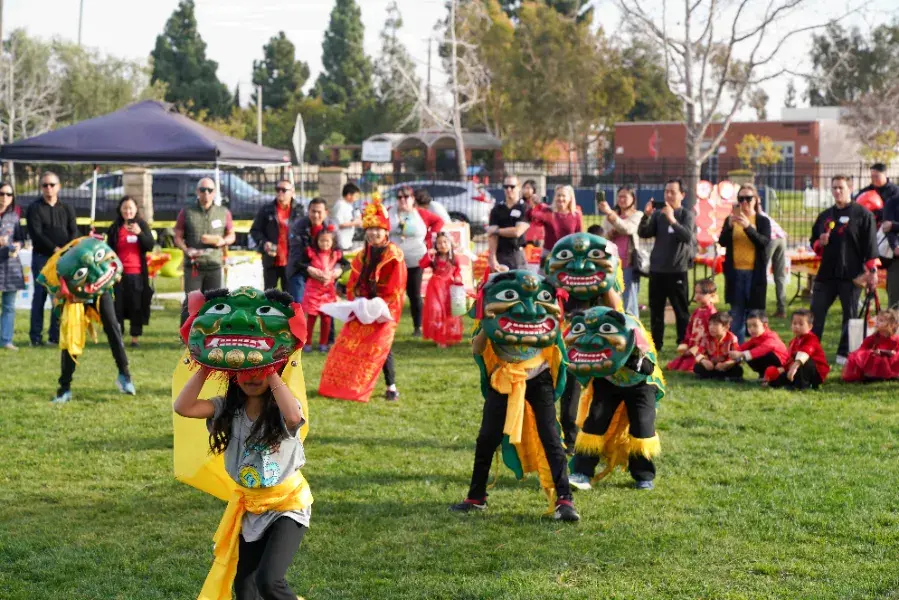
Mandarin Immersion is not only about language. It is also about cultural understanding. Students should learn how language connects to history, traditions, and daily life.
However, some schools treat culture as an occasional celebration rather than an ongoing learning experience.
Families should also consider how cultural understanding is integrated into daily learning. Are students regularly exposed to stories, traditions, and cultural perspectives? Are they encouraged to appreciate diversity respectfully?
Strong cultural education builds global awareness and helps students connect emotionally to what they are learning.
3.6. Trilingualism Is a Long-Term Advantage, Not a Trend
Many parents are interested in immersion because they want their child to gain an academic advantage. But one of the most valuable benefits is trilingualism, which supports stronger communication and cognitive flexibility.
Students who learn multiple languages often develop improved problem-solving skills, stronger memory, and better adaptability. However, trilingualism requires consistency and long-term planning. It cannot be achieved through occasional language exposure.
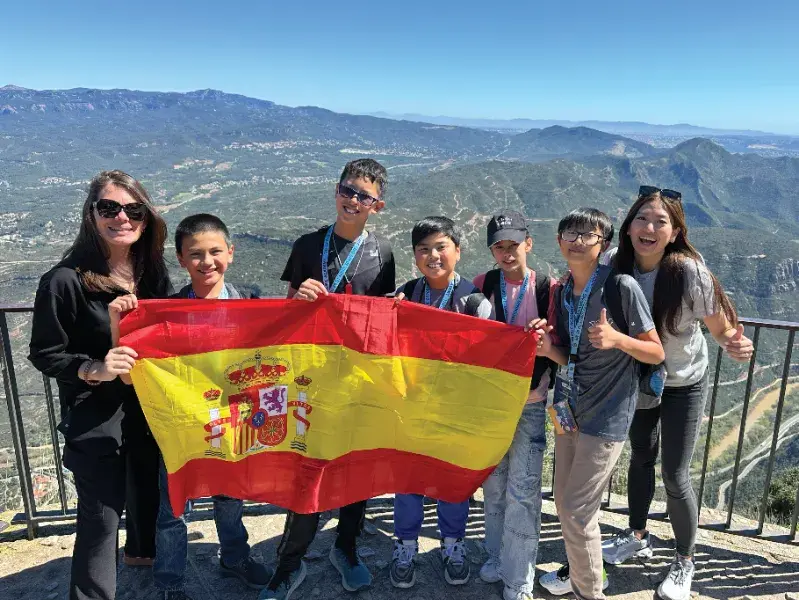
Families should ask whether the program supports long-term multilingual development beyond Mandarin and English. Some programs offer additional language enrichment, such as Spanish, that can further strengthen global readiness.
A school that supports trilingualism helps students develop confidence in communication across cultures, which can be valuable in both academic and professional settings.
3.7. Home Support and School Partnership Matter More Than Parents Expect
One of the most overlooked factors in Immersion success is family support. Children progress faster when parents understand the program and reinforce learning routines at home.
This does not mean parents must be fluent in Mandarin. But they should know how to support learning habits, encourage language exposure, and stay involved in school communication.
When evaluating Immersion programs, parents should consider how the school partners with families. Does the school provide resources for parents? Are teachers available for progress updates? Is communication clear and consistent?
Immersion works best when the school and family work as a team.
4. How to Evaluate Mandarin Immersion Schools Near Me During a Campus Visit
A campus tour is often the best way to understand whether a program is truly immersive. Parents should observe classrooms and ask specific questions that reveal the quality of teaching.
Important questions include:
How much of the day is taught in Mandarin?
What subjects are taught through Mandarin instruction?
How does the school support the development of Mandarin reading and writing?
How do teachers help beginners understand lessons?
How does the program maintain academic rigor in English and math?
What role does culture play in daily learning?
How does the school support long-term trilingualism goals?
Parents should also observe student behavior. Do students seem comfortable speaking Mandarin? Are they engaged in learning activities? Is the classroom environment structured and supportive?
When searching for Mandarin Immersion schools near me, parents should prioritize programs that show both warmth and academic purpose. For families actively comparing Mandarin Immersion schools near me, visiting a campus such as Pacific Academy Costa Mesa can provide a clearer understanding of how Immersion works in practice.

5. Why Chinese Immersion Works Best When It Is Integrated With Strong Academics
A successful Chinese Immersion program should not feel separate from academic learning. The best Immersion classrooms integrate language into real learning tasks.
For example, students may learn math problem-solving in Mandarin, conduct science experiments using Mandarin vocabulary, or explore social studies topics through Mandarin discussions. This creates meaningful language practice rather than isolated memorization.
This approach supports long-term retention, as children are more likely to remember vocabulary when they apply it in meaningful academic contexts.
Families should look for evidence that Mandarin is used in meaningful academic contexts rather than just for basic conversation practice.
6. How Pacific Academy Costa Mesa Supports Mandarin Immersion and Trilingualism
Families looking for a structured, long-term Immersion program often want a school that offers more than just language instruction. They want a supportive environment, strong academics, and long-term student development.
Pacific Academy Costa Mesa stands out among Mandarin Immersion schools near me by offering a structured Chinese Immersion model in which students learn core subjects such as math and science in Mandarin while gradually developing English academic proficiency. The school emphasizes structured learning, hands-on teaching, and strong foundational academics.
One advantage families often value is the school’s commitment to trilingualism, combining structured Chinese Immersion with consistent Spanish instruction to form a true trilingual pathway. This multilingual approach can support communication skills and cultural awareness in a meaningful way.
Pacific Academy Costa Mesa also focuses on student confidence and leadership development, helping children grow academically while building the social and communication skills needed for future success.
7. Common Misunderstandings About Mandarin Immersion Programs
7.1. “My Child Will Automatically Become Fluent.”
Fluency takes time and depends on consistent exposure over multiple years within a structured Immersion program. Parents should view immersion as a long-term journey, not a short-term achievement.
Families should ask how the school supports progression year by year, especially as academic content becomes more complex.
7.2. “If My Child Struggles at First, Immersion Is Not Right.”
It is normal for children to experience an adjustment period, especially in the early stages of immersion. Strong programs support this transition through structured routines, visuals, and guided practice.
7.3. “Mandarin Immersion Is Only Useful for Future Jobs.”
While Mandarin can support future career opportunities, its broader value lies in developing cognitive flexibility, communication skills, and learning confidence.
For many students, immersion also builds confidence. They learn that they can succeed in a challenging environment, which is a valuable life skill.
8. How to Decide If Mandarin Immersion Is the Right Fit for Your Child
Mandarin Immersion can be a strong fit for many students, but parents should consider their child’s learning style and personality.
Children are more likely to succeed in Immersion programs if they:
Are comfortable learning through context, even without understanding every word
Can follow structured classroom routines
Students are encouraged to practice consistently both at school and at home
Families should also consider whether they are ready to support consistency at home. Immersion works best when families stay engaged, communicate with teachers, and encourage language exposure through books, music, or storytelling.
The right school should also provide a nurturing environment where children feel emotionally supported as they learn something new.
9. Conclusion: Choosing Mandarin Immersion Schools Near Me With Confidence
Not all Mandarin Immersion schools near me offer the same level of academic structure, literacy development, or long-term language outcomes. Families who take the time to evaluate these factors often find that schools like Pacific Academy Costa Mesa offer a more comprehensive and future-focused approach. A strong Chinese Immersion program should combine meaningful language exposure with structured academics and a supportive school culture. Families who are seriously considering Mandarin Immersion schools near me are encouraged to visit Pacific Academy Costa Mesa to experience how structured Immersion and trilingual education are implemented in the classroom, and to schedule a campus tour or attend an open house. For more information or to contact the school, call 833-796-5688, email CostaMesa@PacificAcademy.org, or visit 2987 Mesa Verde Dr E, Costa Mesa, CA 92626.


Comments