
Is a Montessori Academy Good for High-Energy Kids?

Many parents worry when their child seems to have endless energy. Constant movement, strong curiosity, and difficulty sitting still can raise questions about whether a traditional classroom is the right fit. As families explore early education options, the idea of a Montessori academy often comes up as a possible solution, especially for children who learn best through movement and hands-on experiences.
Understanding how Montessori education works and how it supports different learning styles can help parents decide whether this approach aligns with their child’s needs. For families considering private education options, a Montessori academy that balances movement with structure can make a meaningful difference. At Pacific Academy Costa Mesa (PACM), Montessori-inspired approaches are blended with intentional guidance and structure, creating an environment where energetic children can stay engaged and develop strong focus, independence, and confidence.
1. When Parents Worry Their Child Has “Too Much Energy”
1.1 What high energy looks like at home and school
High-energy children are often described as constantly moving, asking questions, and exploring their surroundings. They may jump quickly from one activity to another or show intense focus on topics that interest them. These traits are common in young learners and often reflect curiosity rather than behavioral challenges.
In school settings, this energy can sometimes be misunderstood, especially in environments that expect long periods of sitting still. Parents may begin to wonder whether their child is ready for school or if a different learning environment would be more supportive.
At Pacific Academy Costa Mesa, educators understand that energy is a natural, developmentally appropriate part of childhood and consider how classroom structure can channel that energy productively rather than suppress it.
1.2 Why school environment matters for active learners
The learning environment plays a significant role in how children experience school, especially for those with high energy levels. When classroom expectations, routines, and teaching approaches align with a child’s developmental stage, energy can become an asset rather than a challenge to manage. The right environment helps children feel understood rather than restricted.
Active learners often thrive in classrooms that allow movement, choice, and exploration within clear and consistent boundaries. Opportunities to engage physically, make decisions, and interact with materials can help channel energy in productive ways. Finding an environment that supports these needs can reduce frustration, build confidence, and encourage positive learning habits from an early age, laying a strong foundation for long-term success in school.
2. What Is a Montessori Academy, Simply Explained
2.1 The basic idea behind Montessori education
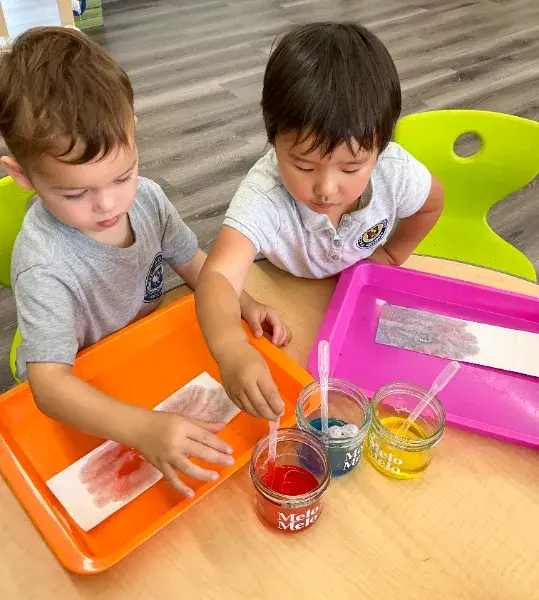
Montessori education is built around the idea that children learn best when they are actively engaged in their environment. In a Montessori academy, students are encouraged to explore hands-on materials, make choices, and work at their own pace within a thoughtfully prepared classroom. This structure allows children to stay focused while channeling their energy into meaningful learning.
Teachers guide learning rather than directing every activity, helping children develop independence, responsibility, and self-regulation over time. These principles are reflected in the learning approach at Pacific Academy Costa Mesa, where Montessori-inspired practices are integrated through hands-on instruction, opportunities for independent work, and respect for each child’s individual learning rhythm. This approach supports active learners while maintaining clear expectations and a supportive classroom structure.
2.2 How a Montessori school day usually works
A typical Montessori school day includes a thoughtful balance of individual work, small-group activities, and teacher-guided lessons. Children are given the freedom to move within the classroom, choose materials, and engage in tasks that align with their interests and developmental readiness.
This flexible structure allows movement to become a natural part of the learning process rather than a disruption to it. For high-energy children, this daily rhythm often feels more supportive than highly rigid schedules, helping them stay engaged, focused, and confident while learning in a way that respects their need for activity and independence.
3. Why a Montessori Academy Often Works Well for High-Energy Kids
3.1 Learning that allows movement and exploration
One of the defining strengths of Montessori education is its emphasis on purposeful movement as part of the learning process. Children are not expected to remain seated for long periods of time. Instead, they engage with hands-on materials, move between work areas, and learn through exploration that is both intentional and guided.
This approach helps high-energy children stay engaged and reduces the frustration that can arise when movement is overly restricted. Learning feels active rather than limiting, allowing energy to be directed toward meaningful tasks. Classrooms at Pacific Academy Costa Mesa are designed to support this balance, giving students the freedom to move with purpose while still remaining focused on clear learning goals.

3.2 Helping active children develop focus naturally
Montessori environments encourage children to follow their interests, which often leads to deeper concentration over time. When students are able to choose work that genuinely captures their attention, focus develops naturally instead of being imposed through strict control.
For active learners, this supports greater engagement and a stronger sense of success. As children complete tasks independently, confidence begins to grow. That confidence, in turn, supports sustained attention and self-regulation, helping high-energy children develop focus in a way that feels supportive rather than forced.

4. When Montessori May Be Challenging for Some High-Energy Children
4.1 Children who may need more external structure
While the Montessori academy offers many benefits, it may not be the ideal fit for every child. Some high-energy learners may find self-directed environments challenging, especially if they need clearer guidance, frequent check-ins, or more explicit expectations to stay on track.
In these situations, too much freedom without enough structure can feel overwhelming rather than empowering. Children may struggle to organize their time, transition between activities, or remain focused without consistent support. Readiness, maturity, and the level of guidance provided all play an important role in determining whether a Montessori setting will be successful. Educators at Pacific Academy Costa Mesa closely observe each student’s needs to ensure that growing independence is balanced with the structure and support children need to thrive. At Pacific Academy Costa Mesa, Montessori-inspired learning is strengthened by clear routines, consistent expectations, and caring guidance, helping high-energy children feel secure while gradually developing independence.
4.2 How strong Montessori academies provide balance
High-quality Montessori academies recognize that freedom and structure must work together. Clear daily routines, consistent expectations, and active teacher involvement help children understand boundaries while still allowing room for choice and exploration.

This balance is especially important for high-energy children, who benefit from knowing what is expected while having opportunities to move, explore, and engage meaningfully. When structure is thoughtfully built into the environment, active learners are better supported academically and socially, allowing them to develop confidence, focus, and positive learning habits over time.
5. What to Look for in a Montessori Academy for Active Kids in a Private School Setting
5.1 Classroom environment and teacher involvement
When visiting a Montessori academy, parents should pay close attention to how the classroom is organized and how teachers interact with students throughout the day. Effective Montessori teachers provide calm, intentional guidance, redirect energy constructively, and offer timely support to help children maintain focus. Their presence helps maintain balance without interrupting a child’s sense of independence.
A strong classroom environment should feel purposeful rather than chaotic. Movement should clearly support learning goals, with materials arranged thoughtfully and routines that help children transition smoothly between activities. Signs of engagement, mutual respect, and sustained focus among students often indicate a healthy and well-managed learning environment. Small class sizes at Pacific Academy Costa Mesa allow teachers to observe active learners closely, ensuring that movement remains productive and learning stays aligned with clear expectations.
5.2 Questions parents should ask during a Montessori school visit
Asking thoughtful questions during a school visit can help parents better understand whether a Montessori program is the right fit for an active child. Families may want to ask how teachers support highly energetic learners, how focus is encouraged over time, and how progress is shared with parents.
It is also helpful to understand how independence and responsibility are taught in daily practice, especially for children who may need additional guidance at first. Campus visits and open conversations with educators provide insight that goes beyond written descriptions, helping parents assess whether the school’s approach aligns with their child’s personality, learning style, and developmental needs.
6. Montessori Academy Compared to Other School Options
6.1 Montessori education vs traditional classrooms
Compared to traditional classrooms, Montessori education offers greater flexibility in pacing and structure. Traditional models often rely on whole-group instruction and extended seated time, which may challenge active learners.
Montessori environments, by contrast, allow children to move, choose activities, and engage hands-on, supporting different learning styles. Schools like Pacific Academy Costa Mesa demonstrate how Montessori-inspired classrooms can maintain academic structure while offering the flexibility active learners need to thrive.
Families considering private education often look to schools like Pacific Academy Costa Mesa to see how Montessori-inspired approaches can coexist with academic structure and long-term planning.
6.2 Choosing what fits your child, not a trend
No educational method is universally best. What matters most is how well the environment fits a child’s personality, learning style, and developmental needs.
Observing classrooms and reflecting on how a child responds to different settings helps parents make thoughtful decisions rather than following trends.
7. Conclusion: Is a Montessori Academy the Right Fit?
High energy is not a challenge to fix, but a strength that, when supported thoughtfully, can lead to curiosity, creativity, and resilience. A Montessori Academy recognizes this by offering learning environments that respect movement, independence, and individual development while still maintaining clear expectations and emotional support.
Making a confident decision comes from observing classrooms, asking meaningful questions, and understanding how different environments align with a child’s needs. When structure and freedom are balanced effectively, active learners often thrive academically and personally. At Pacific Academy Costa Mesa, families can see how Montessori-inspired learning, structure, and guidance work together to support high-energy children in a supportive private school environment.
Parents who would like to explore whether a Montessori-inspired environment is the right fit for their child are encouraged to schedule a campus visit and see the classrooms in action. To learn more about the program or speak with the Admissions Team, you can call 833-796-5688, email CostaMesa@PacificAcademy.org, or submit an inquiry through the school’s website.


Comments