
Pre-K for 4-Year-Olds: Skills and Learning Goals

Choosing the right Pre-K for 4-Year-Olds is an important milestone for families who want a thoughtful balance of academic readiness, social growth, and joyful exploration. At this age, children are curious, expressive, and eager to understand the world around them. A well-designed program provides structure without limiting creativity, guidance without pressure, and meaningful opportunities to build foundational skills. This article explores the essential skills and learning goals families can expect from a high-quality Pre-K for 4-Year-Olds program, along with insights into daily routines, enrichment opportunities, and how to evaluate options such as all-day Pre-K and language immersion pathways. For families in Costa Mesa and surrounding Orange County communities, selecting a Pre-K for 4-Year-Olds program often means looking beyond basic academics. Parents seek structured all-day Pre-K options, language enrichment opportunities, and a nurturing environment that supports long-term kindergarten readiness.
1. A Child-Centered Vision for Pre-K for 4-Year-Olds
The most effective Pre-K for 4-Year-Olds programs begin with a clear understanding of child development. Four-year-olds are developing independence, emotional awareness, and problem-solving abilities. They learn best through hands-on exploration, guided discovery, and positive relationships with teachers and peers.
Rather than focusing solely on academic outcomes, a strong Pre-K for 4-Year-Olds curriculum integrates cognitive, social, emotional, and physical development. Children build early literacy and numeracy skills while also practicing cooperation, empathy, and self-regulation. These experiences create the confidence necessary for a smooth transition into kindergarten.
Families exploring all-day Pre-K options often appreciate the consistency of a structured routine. A full-day environment provides extended time for projects, collaborative play, and enrichment activities without feeling rushed. When thoughtfully designed, all-day Pre-K supports both working families and children who benefit from predictable schedules. At Pacific Academy Costa Mesa, this child-centered philosophy is reflected in small class sizes, individualized instruction, and a structured yet flexible Pre-K curriculum for 4-Year-Olds. The program balances guided academic learning with hands-on exploration, helping students build confidence before entering kindergarten.

2. Core Developmental Skills in Pre-K for 4-Year-Olds
A comprehensive Pre-K program for 4-year-olds typically addresses five key developmental domains.
2.1. Early Literacy Foundations
In Pre-K for 4-Year-Olds, literacy instruction focuses on building familiarity with letters, sounds, and storytelling. Children practice recognizing uppercase and lowercase letters, identifying beginning sounds, and understanding that print carries meaning.
Teachers often incorporate read-aloud sessions, guided discussions, and phonemic awareness games. These activities strengthen vocabulary and listening comprehension. Rather than memorizing sight words through repetition alone, children engage with language through songs, movement, and conversation. In programs that offer early language pathways, literacy instruction may also include exposure to Mandarin vocabulary alongside English phonics. This gradual introduction helps students who later continue into a Mandarin kindergarten environment feel more confident.
2.2. Mathematical Thinking and Logic
Early math in Pre-K for 4-year-olds emphasises number recognition, counting, pattern identification, and simple problem-solving. Hands-on materials, such as counting blocks and sorting activities, make abstract concepts tangible.
Children might compare quantities, explore shapes, or measure classroom objects. In well-designed classrooms, math naturally weaves into daily routines. For example, children count classmates during attendance or identify patterns in art projects.
2.3. Social Emotional Learning
Social-emotional development is central to Pre-K for 4-year-olds. Students learn to express feelings appropriately, resolve conflicts respectfully, and cooperate with peers.
Teachers guide children through structured activities that promote empathy and leadership. Group discussions and role-playing exercises help children practice listening and understanding different perspectives. These experiences build resilience and prepare students for future academic settings.
2.4. Fine and Gross Motor Skills
Physical development supports academic readiness. In Pre-K for 4-Year-Olds, children refine fine motor skills through drawing, cutting, and writing activities. Gross motor skills develop through outdoor play, movement games, and structured physical activities.
When evaluating all-day Pre-K programs, families may want to observe how much time is dedicated to active movement. Balanced schedules that include both indoor and outdoor play contribute to overall well-being.
2.5. Curiosity and Critical Thinking
A hallmark of a high-quality Pre-K for 4-Year-Olds program is its emphasis on inquiry. Children are encouraged to ask questions, explore materials, and experiment with solutions.
Project-based activities allow students to investigate topics in depth. For instance, a unit on plants may include observing growth, drawing diagrams, and discussing environmental care. These integrated experiences foster analytical thinking at an early age.
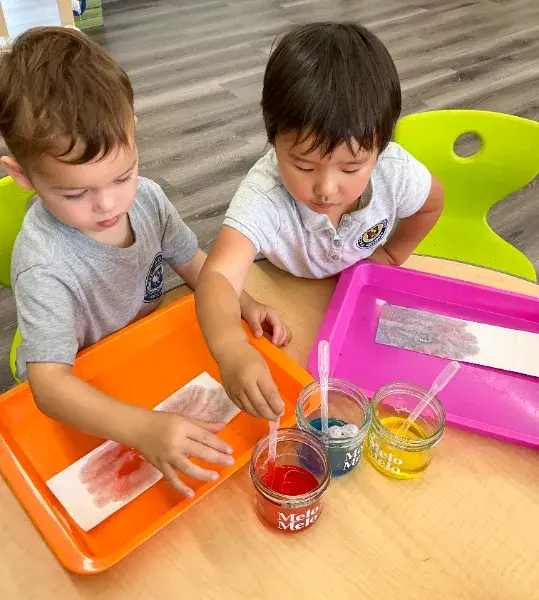
3. Daily Life in Pre-K for 4-Year-Olds
Understanding the rhythm of a typical day can help families visualize how Pre-K for 4-Year-Olds supports growth.
3.1. Morning Arrival and Community Building
The day often begins with a welcoming routine. Children practice independence by storing belongings and preparing for classroom activities. Morning meetings establish a sense of community. Teachers review the schedule, discuss the date, and introduce new learning themes.
In all-day Pre-K programs, extended mornings allow time for both structured instruction and exploratory centers.
3.2. Learning Centers and Small Group Instruction
During center time, children rotate through literacy, math, science, and creative arts stations. Small-group instruction allows teachers to provide individualized guidance.
In Pre-K for 4-Year-Olds, these sessions are intentionally short and interactive. Teachers observe progress and adjust instruction to meet developmental needs.
3.3. Enrichment and Language Development
Some families seek additional enrichment opportunities within Pre-K for 4-Year-Olds. Programs that incorporate music, art, or language immersion can enhance cognitive flexibility.
For example, a Mandarin kindergarten pathway may begin introducing foundational vocabulary and conversational phrases during Pre-K for 4-Year-Olds. Exposure to a second language at this stage supports pronunciation and listening comprehension.
At Pacific Academy Costa Mesa, Pre-K for 4-Year-Olds students learn within a nurturing environment that integrates Chinese Immersion and daily Spanish enrichment. This structured all-day Pre-K model allows children to build early literacy, numeracy, and social skills while gradually developing second-language confidence.
Students who continue into the school’s Mandarin kindergarten pathway benefit from this early exposure, as vocabulary, listening comprehension, and pronunciation are introduced naturally during the Pre-K years rather than all at once in kindergarten.
3.4. Outdoor Exploration and Movement
Daily outdoor time allows children in Pre-K for 4-Year-Olds to develop coordination and teamwork. Play structures, group games, and guided physical activities strengthen gross motor skills.
In well-balanced, all-day Pre-K schedules, outdoor play is not an afterthought. It is an essential component of holistic development.

4. Academic Readiness Without Pressure
One of the most common questions families ask about Pre-K for 4-Year-Olds is how well the program prepares children for kindergarten.
A strong Pre-K for 4-Year-Olds curriculum introduces foundational academic concepts without imposing excessive pressure. Children learn to follow multi-step directions, complete tasks independently, and participate in group discussions.
Rather than focusing on advanced worksheets, effective classrooms prioritise deep understanding of concepts. For example, children may practice writing their names, identifying numbers to twenty, and retelling stories in their own words.
Programs that extend into Mandarin kindergarten or other immersion tracks often scaffold language skills gradually. This approach ensures children feel confident rather than overwhelmed.

5. Evaluating all-day Pre-K Options
When considering all-day Pre-K, families may reflect on several important factors:
Is the daily schedule balanced between structured instruction and hands-on exploration?
Are teachers experienced in early childhood education?
Does the environment feel nurturing and respectful?
How does the program support transitions to kindergarten readiness?
Observing a Pre-K for 4-Year-Olds classroom during a campus tour can provide valuable insight. Families can see how children interact, how teachers guide instruction, and how learning materials are organized to encourage independence and curiosity.
Schools such as Pacific Academy Costa Mesa offer families opportunities to experience the learning environment firsthand. Seeing how an all-day Pre-K schedule integrates literacy, math, enrichment, and outdoor exploration often helps parents determine whether the program aligns with their child’s developmental needs.
6. The Role of Family Partnership
Successful Pre-K for 4-Year-Olds programs value strong collaboration between educators and families. Regular communication, progress updates, and parent-teacher conferences help ensure alignment between classroom goals and home support. Cultural events and language enrichment activities also strengthen family engagement. In programs that prepare students for Mandarin kindergarten or immersion tracks, family involvement reinforces vocabulary practice and cultural awareness beyond the classroom.
7. Building Confidence for the Future
Ultimately, the goal of Pre-K for 4-Year-Olds is to nurture confident, capable learners. By fostering independence, curiosity, and social responsibility, these programs lay the groundwork for lifelong learning.
Children who experience high-quality all-day Pre-K environments often demonstrate strong listening skills, adaptability, and enthusiasm for new challenges. When academic foundations are paired with emotional resilience, students are well prepared for kindergarten and beyond.

8. Conclusion: Why Pre-K for 4-Year-Olds Matters
A thoughtfully designed Pre-K for 4-Year-Olds program balances academic readiness with social-emotional growth, creative exploration, and language development. Whether families are exploring all-day Pre-K options or considering pathways that lead into Mandarin kindergarten, the early years represent a critical window for growth. By choosing a nurturing, structured environment that values hands-on learning and individualized attention, families can feel confident that their child’s first educational experiences will support both immediate success and long-term development.
Families seeking a high-quality Pre-K for 4-Year-Olds program in Costa Mesa are encouraged to schedule a campus visit and speak with educators to better understand how a structured, all-day Pre-K model supports long-term success. At Pacific Academy Costa Mesa, families can explore classrooms, meet teachers, and learn how the Pre-K program prepares students for continued growth, including pathways into Mandarin kindergarten and elementary education. To learn more or arrange a tour, families may contact the admissions team at 833-796-5688 or via email at CostaMesa@PacificAcademy.org or visit the campus at 2987 Mesa Verde Dr E, Costa Mesa, CA 92626.


Comments