
Private Transitional Kindergarten Near Me Explained
- PACIFIC ACADEMY

- Mar 23
- 7 min read
Transitional Kindergarten often sits quietly between preschool and kindergarten, yet it plays one of the most important roles in a child’s early education. It is not simply an extra year. It is a carefully designed stage where children build confidence, develop foundational skills, and adjust to structured learning in a way that feels supportive rather than overwhelming.
For many families searching for a private transitional kindergarten near me, the goal is not simply to find an available program. Parents are increasingly looking for an environment that supports academic readiness, emotional development, and confidence before children enter kindergarten. Transitional Kindergarten serves as a critical bridge between preschool and elementary school, giving children the time and structure needed to develop essential skills in a supportive learning setting.

1. What Makes a Private Transitional Kindergarten Near Me Different
1.1 The stage between preschool and kindergarten
Transitional Kindergarten serves as a bridge between preschool and formal kindergarten. It is designed for children who may benefit from an additional year of growth before entering a more structured academic environment. Rather than accelerating learning, this stage focuses on readiness.
Children in Transitional Kindergarten begin to experience structured routines, guided instruction, and early academic exposure while still having the space to explore and develop at their own pace. This balance helps reduce the pressure often associated with starting kindergarten too early.
Many families searching for a private transitional kindergarten near me begin to recognize that readiness is not just about age. It is about whether a child feels comfortable participating, following routines, and engaging in learning experiences with confidence.
1.2 Why timing and readiness matter
Every child develops differently, and Transitional Kindergarten acknowledges this reality. Some children may be academically capable but need more time to build emotional confidence or social readiness. Others may benefit from additional exposure to structured learning before stepping into kindergarten expectations.
A well-designed TK program provides this time intentionally. It allows children to strengthen focus, independence, and communication skills while gradually introducing academic concepts.
In environments such as Pacific Academy Costa Mesa, readiness is approached with clarity and care. The program supports children through structured routines and guided learning, helping them transition smoothly into the next stage without unnecessary pressure.
2. What Private TK Programs Offer That Others May Not
2.1 Flexibility in curriculum and pacing
One of the defining advantages of private Transitional Kindergarten is flexibility. Unlike standardized programs, private TK environments can adjust curriculum pacing based on student needs rather than fixed requirements.
This flexibility allows teachers to revisit concepts, extend learning opportunities, or provide additional support where needed. Instead of moving all students forward at the same pace, learning becomes more responsive and personalized.
Families exploring a private transitional kindergarten near me often value this adaptability. It ensures that children are not rushed through foundational skills and are given the time needed to fully understand and apply what they learn.
2.2 Smaller class sizes and individualized attention
Private TK programs typically offer smaller class sizes, which significantly impacts the quality of learning. Teachers are able to observe students more closely, provide immediate feedback, and adjust instruction based on individual progress.
This level of attention helps children feel seen and supported. It also allows educators to identify strengths and areas for growth early, creating a more effective learning experience.
One notable strength of Pacific Academy Costa Mesa is its ability to provide individualized support within a structured TK framework. With small class sizes and a carefully designed learning environment, teachers are able to closely observe each student’s progress and adjust instruction accordingly. This level of attention helps ensure that children develop confidence, curiosity, and strong foundational skills before transitioning into kindergarten.

3. Inside a Private Transitional Kindergarten Classroom
3.1 Daily routines that build confidence
A well-structured daily routine is one of the most important elements of Transitional Kindergarten. Predictable schedules help children understand expectations, manage transitions smoothly, and develop a sense of security within the classroom environment. This consistency allows young learners to feel more comfortable and ready to participate throughout the day.
Activities such as circle time, guided lessons, group interaction, and independent work are thoughtfully organized to create a steady rhythm. These routines support attention, focus, and active participation, all of which contribute to long-term academic success. Over time, children begin to anticipate what comes next, which strengthens both independence and confidence.
Parents searching for a private transitional kindergarten near me often notice how structured routines can significantly influence how easily children adapt to new learning environments and expectations.
3.2 Learning through guided exploration
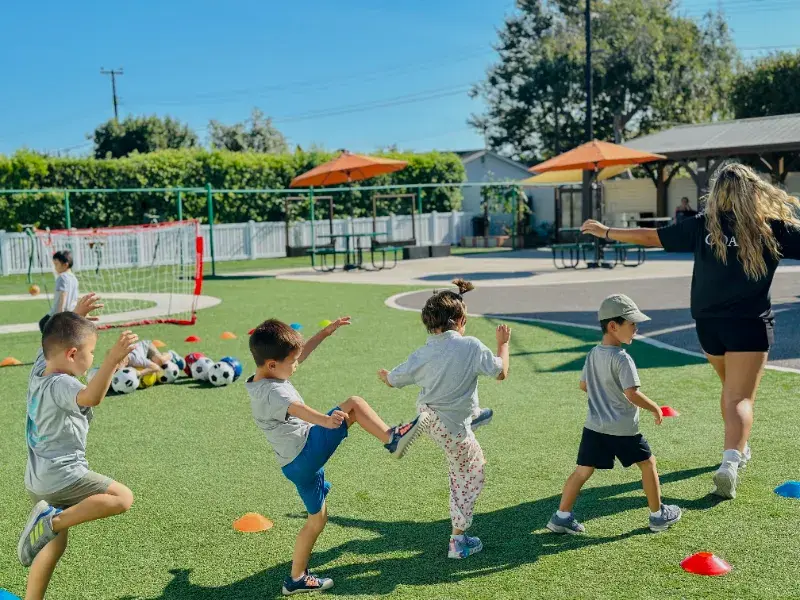
While structure provides stability, exploration remains equally essential in early learning. Children learn best when they are actively engaged, asking questions, experimenting with ideas, and interacting with their surroundings in meaningful ways. This type of engagement helps deepen understanding and sustain curiosity.
In strong TK programs, exploration is intentionally guided rather than left unstructured. Teachers design activities with clear learning objectives, ensuring that hands-on experiences are connected to academic development. Through this approach, children are able to discover concepts while still progressing in a consistent and purposeful direction.
This becomes especially clear in how Pacific Academy Costa Mesa designs its Transitional Kindergarten classroom experience. Teachers combine structured instruction with guided exploration, allowing students to engage with language, early mathematics, and creative learning activities in meaningful ways. Through this balanced approach, children are encouraged to think independently, participate actively, and build the confidence needed for future academic success.
4. Academic Foundations Built in TK Programs
4.1 Early literacy and numeracy development
Transitional Kindergarten introduces foundational academic skills in a way that feels natural and developmentally appropriate. Children begin to recognize letters, understand sounds, and engage in early writing activities.
In mathematics, students explore number recognition, counting, and simple problem-solving. These skills are introduced gradually, allowing children to build understanding without feeling pressured.
Families exploring a private transitional kindergarten near me often prioritize programs that focus on these foundational skills while maintaining a supportive and encouraging environment.
4.2 Preparing children for kindergarten expectations
Beyond academics, TK prepares children for the expectations of a structured classroom. This includes following directions, completing tasks, participating in group activities, and managing transitions throughout the day.
These skills are essential for kindergarten readiness and contribute significantly to a child’s confidence in a new environment.
Schools such as Pacific Academy Costa Mesa demonstrate how early academics can be introduced without pressure. By balancing structured instruction with supportive guidance, students are able to build strong foundations while developing a positive relationship with learning.
5. Social and Emotional Growth in TK
5.1 Building independence and self-regulation
Social and emotional development is a central focus of Transitional Kindergarten. Children learn how to manage emotions, follow routines, and take responsibility for their actions within a classroom setting.
These skills are developed through daily practice. Simple activities such as waiting for a turn, completing tasks independently, and transitioning between activities help children build self-regulation and confidence.
For parents searching for a private transitional kindergarten near me, this aspect of development is often just as important as academic readiness.
5.2 Learning to interact and collaborate
Interaction with peers plays a significant role in early education. Children learn how to communicate, share, and collaborate through guided group activities and classroom experiences.
These interactions help build empathy, cooperation, and communication skills, all of which are essential for future learning environments.
This approach is reflected in how Pacific Academy Costa Mesa integrates Social Emotional Learning into daily TK experiences. Through guided classroom interaction, collaborative activities, and supportive teacher guidance, students learn how to communicate effectively, work with peers, and develop emotional awareness. These experiences help children build confidence, independence, and a strong sense of belonging within the learning environment.

6. How to Know If a Private TK Program Is the Right Fit
6.1 Signs of a high-quality TK program
Identifying a strong Transitional Kindergarten program involves more than reviewing curriculum. Parents often look for classrooms where children are engaged, teachers are attentive, and learning feels purposeful.
A balanced environment typically includes clear routines, supportive instruction, and opportunities for exploration. Teachers should be actively guiding learning while allowing children to participate and interact naturally.
Families searching for a private transitional kindergarten near me often find that these qualities indicate a program that supports both academic and developmental growth.
6.2 Questions parents should ask during visits
Visiting a school provides valuable insight into how a program truly operates. Parents may consider asking how readiness is assessed, how progress is tracked, and how teachers support individual learning needs.
Observing classroom dynamics can also reveal how students engage with activities and how teachers interact with them throughout the day.
Families exploring options often find that Pacific Academy Costa Mesa aligns with priorities such as structured learning, strong student engagement, and personalized support. Experiencing this balance firsthand helps parents feel more confident in their decision.
7. Conclusion: Choosing the Right Start for Your Child
For families searching for a private transitional kindergarten near me, choosing the right program means finding an environment where children can develop confidence, curiosity, and readiness for the next stage of learning. A strong TK program supports academic foundations while also nurturing social and emotional growth.
Pacific Academy Costa Mesa provides a thoughtfully designed Transitional Kindergarten experience that combines structured routines, individualized guidance, and engaging learning activities. Through this balanced approach, children are able to transition smoothly into kindergarten while developing the confidence and skills needed for long-term academic success.
Families interested in learning more about the Transitional Kindergarten program at Pacific Academy Costa Mesa are encouraged to contact the admissions team at 833-796-5688 or via email at CostaMesa@PacificAcademy.org. Visiting the campus and observing the classroom environment can help parents better understand how the program supports each child’s development and prepares them for the next stage of learning.


Comments