
Private Primary Schools and Early Academic Foundations
- PACIFIC ACADEMY

- 2 hours ago
- 7 min read
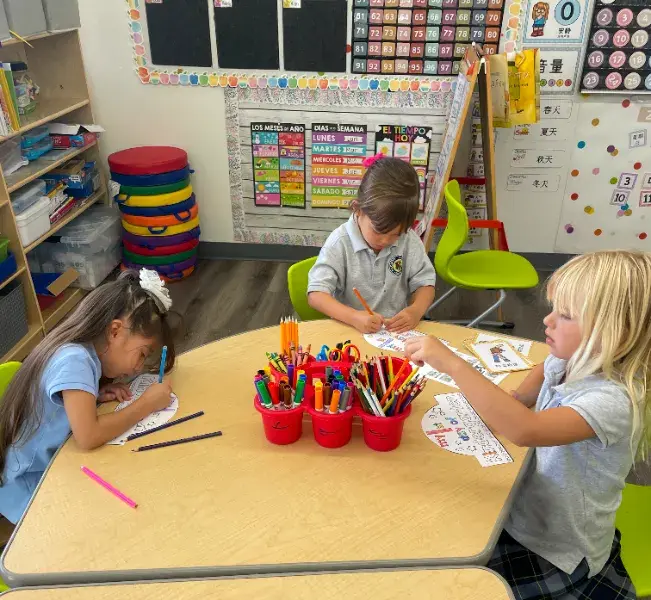
A quiet classroom moment can often reveal more than any curriculum overview. A child sounding out a new word, solving a simple math problem, or asking a thoughtful question reflects something deeper than just progress. It shows how early academic foundations begin to take shape. In these early years, learning is not about speed or pressure. It is about building understanding, confidence, and a positive relationship with education.
This is why many families begin researching private primary schools when evaluating early elementary school options for their children. The focus shifts from basic academics to something more meaningful: how children learn, how they feel in the classroom, and how prepared they are for the years ahead. In environments where structure and support are thoughtfully balanced, such as Pacific Academy Costa Mesa, early education becomes a strong and lasting foundation for both academic and personal growth. Among the many elementary schools available today, families often find that private primary schools offer a more structured and personalized academic experience.

1. How Private Primary Schools Build Early Academic Foundations
1.1 Learning starts with understanding, not pressure
In strong private primary schools, early academics are not driven by performance or comparison. Instead, academics are centered on helping children understand concepts in a way that feels natural and manageable. Foundational skills such as reading, writing, and basic math are introduced gradually, allowing students to build familiarity and confidence over time.
Rather than focusing solely on outcomes, these programs emphasize how children engage with learning. Students are encouraged to ask questions, explore ideas, and develop curiosity. This approach helps them build a strong academic identity early on, where learning feels approachable rather than overwhelming.
1.2 Why these early years matter more than expected
The early primary years are a critical period for cognitive and emotional development. During this time, children form habits, attitudes, and expectations about learning that can influence their long-term academic journey. A supportive and well-structured environment helps children feel secure, which in turn allows them to take risks and engage more fully.
Schools such as Pacific Academy Costa Mesa demonstrate how structured early learning environments can support both academic clarity and student confidence. By combining thoughtful instruction with a supportive atmosphere, young learners can build a strong foundation that prepares them for future challenges.
2. How Private Primary Schools Approach Early Learning
2.1 Moving beyond one-size-fits-all instruction
One of the defining characteristics of private primary schools compared with many traditional elementary schools is their ability to move beyond standardized instruction. Children develop at different rates, and effective programs recognize the importance of adjusting both pacing and teaching methods to reflect these differences. This flexibility allows educators to respond more thoughtfully to each child’s learning journey.
Instead of expecting all students to follow the same academic path, teachers can adapt lessons based on individual readiness, strengths, and areas for growth. This approach helps maintain engagement while supporting steady progress, ensuring that students are neither overwhelmed nor under-challenged. As a result, learning feels more accessible and purposeful.
2.2 Why personalization supports better outcomes
Personalized learning helps students feel recognized, supported, and more connected to their educational experience. When instruction aligns with a child’s developmental level, learning becomes more meaningful and easier to apply. In these early years, learning should focus less on speed or pressure and more on developing understanding, confidence, and a positive connection to education.
This approach also allows teachers to provide targeted feedback and adjust support as students grow. One notable strength of Pacific Academy Costa Mesa is its ability to align structured academic goals with individualized support. By maintaining clear expectations while adapting to each student’s needs, the school creates an environment where children can develop both competence and confidence within a consistent academic framework.

3. Structure in Private Primary Schools and Its Role in Academic Growth
3.1 Why routine supports learning confidence
Structure plays a fundamental role in helping young learners feel secure and ready to learn. Predictable routines allow children to understand expectations, manage transitions smoothly, and remain focused throughout the day. When children know what comes next, they are more likely to participate actively and approach learning with confidence.
In private primary schools, structure is meant to provide support and consistency, not rigidity or restriction. Instead, it creates a stable and supportive environment where children can build independence while still feeling guided. Over time, consistent routines help students develop self-discipline, responsibility, and a stronger sense of ownership over their learning.
3.2 How structure and flexibility work together
The most effective classrooms are those that balance structure with flexibility. While routines provide consistency and clarity, flexibility allows teachers to adjust instruction to students' needs, interests, and progress. This balance helps maintain engagement while ensuring that academic goals remain clear and achievable.
When students experience both consistency and responsiveness, they are better able to stay focused as they explore ideas more deeply. This balance is clearly reflected in how Pacific Academy Costa Mesa designs its daily learning environment. Instruction remains structured yet adaptable, allowing students to stay engaged while developing understanding in a way that feels both natural and purposeful.
4. Core Skills Developed in Private Primary Schools During Elementary Years
4.1 Literacy, numeracy, and critical thinking
Early academic development in private primary schools focuses on building essential skills that support long-term success. Literacy and numeracy are introduced through a blend of guided instruction and interactive experiences, allowing students to engage with concepts in meaningful ways. Children learn to read, write, count, and solve problems through experiences that emphasize understanding rather than memorization.
At the same time, critical thinking is developed alongside these foundational skills. Students are encouraged to analyze information, make connections between ideas, and approach challenges with curiosity and confidence. This integrated approach helps build a strong academic foundation while fostering independent thinking from an early stage.

4.2 Connecting skills to real understanding
Learning becomes more effective when children can connect new concepts to real experiences and practical situations. Instead of simply repeating information, students apply what they have learned through discussion, hands-on activities, and problem-solving tasks that reinforce understanding.
This process helps deepen comprehension and makes learning more engaging and relevant. Schools such as Pacific Academy Costa Mesa demonstrate how structured academic programs can support both foundational skill development and deeper understanding. By reinforcing concepts through meaningful experiences, students are better able to retain knowledge, apply it across subjects, and build confidence in their learning over time.
5. The Importance of Teacher Guidance and Support
5.1 How teachers shape early academic experiences
Teachers play a central role in shaping how children experience learning, especially in the early years. Beyond delivering lessons, they guide behavior, encourage participation, and support both academic and emotional development. Their daily interactions help create an environment where students feel comfortable, engaged, and motivated to learn.
In high-quality private primary schools, teachers actively observe students and adapt instruction to meet individual needs and learning styles. This level of attentiveness allows educators to provide timely support, reinforce understanding, and encourage progress at an appropriate pace. As a result, each child receives guidance that feels both personalized and consistent.
5.2 Why teacher-student relationships matter
Strong teacher-student relationships are essential to both academic success and personal growth. When children feel understood and supported, they are more willing to participate, ask questions, and take on new challenges with confidence. This sense of connection helps build trust and encourages a positive attitude toward learning.
This becomes especially evident at Pacific Academy Costa Mesa, where small class sizes allow teachers to closely guide each student's academic progress and build their learning confidence. With a focus on meaningful interaction and personalized support, students can develop academic skills while building confidence, independence, and a strong sense of belonging in the classroom.
6. Academic and Personal Development in Private Primary Schools
6.1 Social and emotional skills that support learning
Academic success is closely connected to social and emotional development, especially in the early years of education. Skills such as communication, cooperation, and self-regulation play a critical role in how children engage with learning and interact in the classroom. These abilities help students participate more confidently and respond positively to challenges.
Private primary schools often integrate these skills into daily routines rather than teaching them separately. Through group activities, guided interaction, and consistent expectations, students learn how to collaborate, express ideas clearly, and navigate social situations effectively. This integration helps create a learning environment where academic and personal development support one another.
6.2 Preparing students for long-term growth
A strong academic foundation extends beyond immediate learning goals. It prepares students for future challenges by developing essential habits such as persistence, curiosity, and independence. These qualities help children approach learning with confidence and maintain motivation as academic expectations increase over time.
When students build these habits early, they are better equipped to adapt to new environments and take ownership of their learning. This approach is reflected in how Pacific Academy Costa Mesa integrates Social-Emotional Learning into academic instruction. By nurturing both intellectual growth and emotional development, students are equipped to approach future learning with confidence, resilience, and a clear sense of purpose.

7. Conclusion: Choosing a School That Builds Strong Foundations
At Pacific Academy Costa Mesa, these principles are reflected in a structured learning environment where students develop strong academic foundations alongside curiosity, independence, and confidence. By integrating academic instruction with social-emotional development and personalized guidance, the school creates a balanced approach that supports long-term student success.
Choosing among private primary schools is ultimately about finding an environment where a child can grow with confidence, curiosity, and strong academic support. A well-balanced program that combines structure, personalized learning, and meaningful teacher guidance can shape not only early academic success but also long-term attitudes toward learning. Schools such as Pacific Academy Costa Mesa reflect this balance in practice, offering an environment where students develop both foundational skills and a positive learning mindset.
For families exploring private primary schools in Costa Mesa, a visit to Pacific Academy Costa Mesa can provide valuable insight into how structured learning, personalized instruction, and supportive teaching environments help young students build strong academic foundations. Families interested in learning more about the program or scheduling a campus visit may contact the admissions team at CostaMesa@PacificAcademy.org or call 833-796-5688. The campus is located at 2987 Mesa Verde Dr E, Costa Mesa, CA 92626.


Comments